
Suffrage and beyond
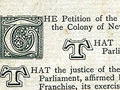
On 19 September 1893 the governor, Lord Glasgow, signed a new Electoral Act into law. As a result of this landmark legislation, New Zealand became the first self-governing country in the world in which women had the right to vote in parliamentary elections.
In most other democracies – including Britain and the United States – women did not win the right to the vote until after the First World War. New Zealand’s world leadership in women’s suffrage became a central part of our image as a trail-blazing ‘social laboratory’.
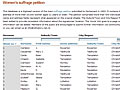
That achievement was the result of years of effort by suffrage campaigners, led by Kate Sheppard. In 1891, 1892 and 1893 they compiled a series of massive petitions calling on Parliament to grant the vote to women. In recent years Sheppard’s contribution to New Zealand’s history has been acknowledged on the $10 note.
Today, the idea that women could not or should not vote is completely foreign to New Zealanders. In 2023, 51% of our Members of Parliament were female, compared with 9% in 1981. In the early 21st century women have held each of the country’s key constitutional positions: prime minister, governor-general, speaker of the House of Representatives, attorney-general and chief justice.


