
First regular airmail services take off

The 1920s was a decade of numerous ‘firsts’ in the rapidly developing field of aviation. Pioneer aviator George Bolt had flown New Zealand’s first experimental airmail flight in 1919, and the first scheduled services began in 1921. On 31 January the first flight of the Canterbury Aviation Company’s new airmail service took off from Christchurch for Ashburton and Timaru. On 9 May Bolt himself launched an Auckland–Whangārei service. But neither venture proved profitable, and they were soon discontinued.
Anzac Day becomes a sacred holiday
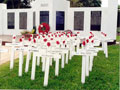
Anzac Day (25 April) was first marked in 1916, on the anniversary of the previous year’s Gallipoli landings. But the staus of this half-day holiday was unclear. In 1920 the government responded to lobbying by the Returned Soldiers’ Association (RSA) by declaring Anzac Day a full-day public holiday, which was observed for the first time on 25 April 1921. This legislation closed banks and hotels and banned race meetings, but the RSA still wasn’t satisfied. The following year 25 April was effectively ‘Sundayised’, further emphasising its sacred place in the New Zealand calendar.
Tūrangawaewae marae established
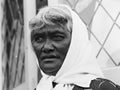
After the First World War and the devastating influenza pandemic of 1918, Waikato leader Te Puea Hērangi resolved to rebuild a centre for the Māori King movement at Ngāruawāhia, its original home before the land confiscations of the 1860s. Waikato leaders purchased 4 ha of riverside land opposite the township in 1920. The following year Te Puea began moving her people from Mangatāwhiri to build a new marae, Tūrangawaewae. Years of hard work followed, draining and filling swampy, scrub-covered land and fundraising for buildings. They also had to overcome opposition from Ngāruawāhia’s Pākehā citizens, who initially tried to have them removed from the borough.
Recession hits
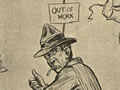
A post-war economic boom came to a shuddering halt in late 1921, when the end of Britain’s wartime commandeer of New Zealand farm exports and a worldwide glut of primary produce sparked a short, sharp recession. Income from wool exports tumbled from £19.6 million in 1919 to just £5.2 million in 1921; meat returns slumped from £11.6 million in 1920 to £8.4 million in 1922.
As unemployment soared and industrial unrest mounted, the Reform government responded by slashing state spending, cutting public servants’ wages by up to 10%. Among those worst affected by the recession were discharged soldiers recently settled on farms, many of whom were struggling with large debts, reduced income and often marginal land.
Other events in 1921:
- In November and December Professor Robert Jack of the University of Otago broadcast this country’s first radio programmes, which included live voice and music as well as gramophone recordings. Reception was best in Otago, but the broadcasts were heard as far away as Auckland.
- Herbert Guthrie-Smith’s landmark enviromental history, Tutira: the story of a New Zealand sheep station, was published.
- Weekly flag saluting ceremonies were made compulsory in public schools.
- The Communist Party of New Zealand was founded by a small group of Marxist-Leninists.
- A commission of inquiry into Ngāi Tahu’s land claims recommended the payment of compensation, but no immediate action was taken.
- The Otago Central Railway between Dunedin and Cromwell was completed.
- The Cawthron Institute – New Zealand’s first privately funded scientific research institution – was opened in Nelson.
- The New Zealand Federation of Country Women’s Institutes was established.
- The New Zealand Division of the Royal Navy was established, with HMS Chatham as its first ship.
- Plunket Society guru Frederic Truby King was appointed the first director of child welfare.
- The South African Springbok rugby team toured New Zealand for the first time, squaring the test series 1–1; a third test was drawn. The tour included a controversial match between the Springboks and a Māori side.
- The Victoria College Tramping Club was established, one of a number of tramping clubs founded around this time.


Community contributions