
The death penalty
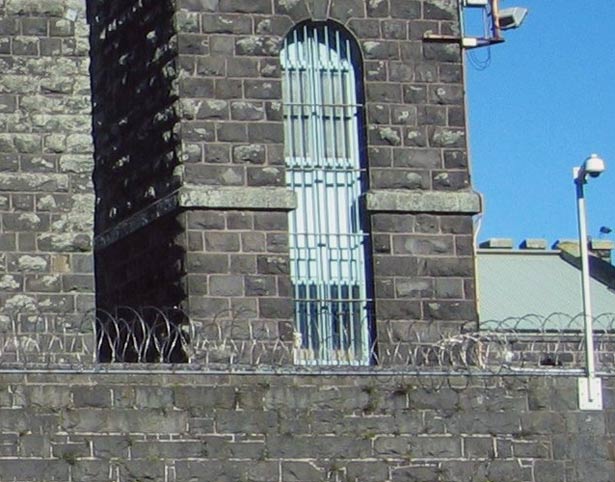
The first execution in New Zealand was that of a young Maori named Maketu, convicted at Auckland in 1842. Walter Bolton became the last to be executed when he was hanged at Mount Eden prison in 1957. In total there were 83 verified executions for murder and one for treason in New Zealand between these dates.
The method of execution has always been hanging, and before 1862 executions were conducted in public. Colour Sergeant James Collins of the 65th Regiment was the first to be executed out of public view, at Wellington in January 1862. The official method of execution was outlined in an 1880 'Memorandum upon the Execution of Prisoners by Hanging with a Long Drop'.
The offences that carried the death penalty in New Zealand were, in accordance with English common law, 'murder, treason and piracy'. The Labour Party had opposed capital punishment, and after it took office in 1935 it commuted all death sentences to life in prison. This policy was confirmed by the abolition of the death penalty for murder in 1941. The National government restored it in 1950, and from 1951 to 1957 there were 18 convictions for murder and eight executions. Labour returned to office in late 1957 and, the following year, made the death penalty inoperative.
The National Party returned to power in 1960, but this time there was dissent within the ranks on the matter. The Minister of Justice Hon JR Hanan was a strong abolitionist as was the Secretary for Justice Dr DL Robson. In 1961, Parliament held a free vote on an amendment to the Crimes Act abolishing the death penalty. With the support of ten government members – including future Prime Minister Robert Muldoon – the amendment was carried 41 to 30. Capital punishment was retained for treason until the Abolition of the Death Penalty Act in 1989.
In times of perceived increases in violent crime or when there has been a particularly high profile murder, the debate about tougher punishment comes up. Some people believe harsher penalties will deter people from committing crime. The ultimate in tougher penalties is the death penalty.
Capital punishment around the world
Around 124 countries have abolished the death penalty in law or practice. Some notable exceptions include China, Iran, the United States and Vietnam who accounted for 97% of the executions recorded by Amnesty International in 2004. Between 1976 and 2005, 1004 people were executed in the United States and over 3000 prisoners were awaiting execution on what is known as death row. In China in 2001 alone, a government crackdown on crime executed at least 1781 people in about four months.


