
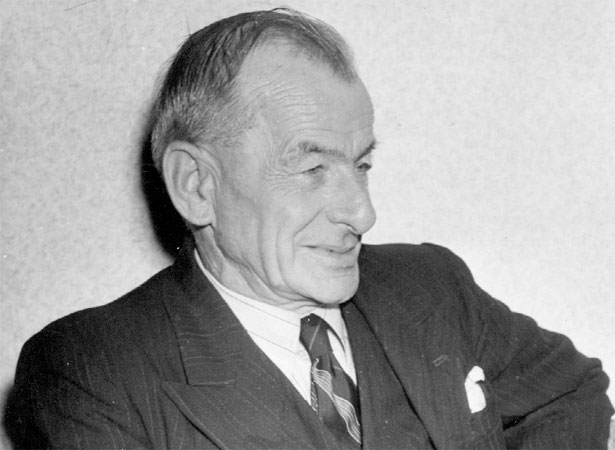
Following the establishment of the New Zealand Flying School at Ōrākei on Auckland’s Waitematā Harbour, Vivian 'Vee' Walsh became the first pilot to obtain an aviator’s certificate in New Zealand (several New Zealanders had earlier qualified as pilots in England).
The pioneering brothers Vivian and Leo Walsh, who were part of the Auckland Aeroplane Syndicate, built their first aircraft, a British-designed Howard-Wright biplane, from imported plans, and in 1911 Vivian made New Zealand’s first controlled powered flight (see 5 February).
After the outbreak of the First World War, many would-be pilots wrote to the Defence Department asking how they could qualify to join Britain’s Royal Flying Corps (RFC). Eager to set up a training school, the Walshes persuaded the government to approach the British authorities. The RFC agreed to cable an aviator’s certificate to each trained pilot, provided military observers witnessed their qualifying flight.
Vivian was first in line, and by the war’s end more than 100 pilots had been trained at Ōrākei. Many of them, including New Zealand’s leading fighter ‘ace’, Keith Caldwell, saw combat with the RFC or its successor, the Royal Air Force.
Read more on NZHistory
Overview: 1913-1945 – Royal New Zealand Air ForceRNZAF timeline – Royal New Zealand Air ForceNew Zealand's air war 1914-1918 – The War in the air
External links
How to cite this page
'Vivian Walsh obtains New Zealand’s first pilot’s certificate ', URL: https://nzhistory.govt.nz/first-new-zealander-to-obtain-an-aviators-certificate, (Ministry for Culture and Heritage), updated 6-Jul-2020


