
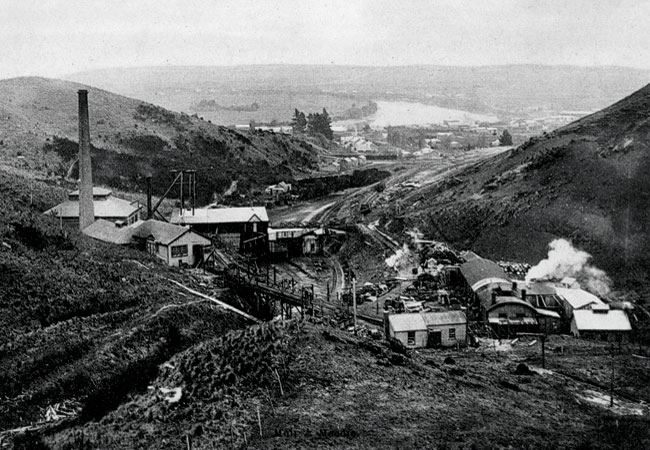
On the morning of 21 February 1879, an explosion rocked the coal mine at Kaitangata, South Otago.
On the day of the explosion, 47 men were employed at the mine. At first, no one knew how many of them were underground. Debris from the explosion and the presence of fire damp – an explosive mix of methane gas and oxygen – thwarted initial rescue attempts. Rescue parties were unable to enter the mine until about midday.
By early evening, it was clear that 34 men had been underground and that none had survived. The condition of their bodies showed that they had been suffocated by ‘black damp’ – a mixture of nitrogen and carbon dioxide. The coroner’s report identified faults in the mine’s safety practices and ventilation system.
Apparently, the explosion had been sparked when the mine manager’s brother carried a candle into a disused part of the mine that was filled with fire damp. The accident led to the introduction of stricter controls on the industry – but it would not be New Zealand’s last coal mine tragedy (see 26 March, 19 November).
How to cite this page
'Kaitangata mining disaster', URL: https://nzhistory.govt.nz/kaitangata-mining-disaster, (Ministry for Culture and Heritage), updated 16-Feb-2023


