
O'Brien Reeve
O'Brien Reeve travelled from New Zealand to England as a volunteer for the Royal Navy. Before D-Day he had specialist training in Combined Operations – army, navy and air force – and he became a flotilla officer. On D-Day he was in charge of a dozen landing craft transporting American troops to Omaha Beach.
Carnage at Omaha Beach
The Allies had not expected Omaha Beach to be as heavily defended as it was, and casualties were very high. Thousands were killed there on D-Day and O'Brien Reeve remembers the scene vividly. Over the following days the crew became numbed to the cost of the battle. In this sound file O'Brien Reeve talks about casualties.
Transcript
I know we became almost immune to the scene of bodies floating – and I'm not trying to be dramatic about this. For example, an American landing craft would go by and tell us that a British body was floating in XYZ position, and we'd go and have a look at it and say 'Oh no, it's an American body,' and just leave it. Terrible thing. 'Cos you know when you pick up a body that's been in the water for a while, the flesh just comes away. Terrible business.
If they were British bodies would you go to find them?
We'd pick them up, put a hammock underneath them and lift them up. Whether we took them aboard or not, I don't know. We wouldn't have taken some of them aboard, we'd just sink them.
Because they were so disintegrated?
That's right.
Images
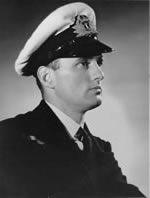
O'Brien Reeve, flotilla officer, Royal Navy, 1944
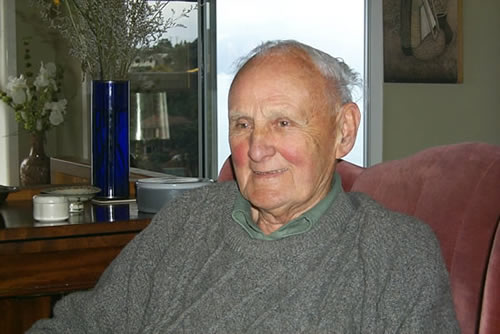
O'Brien Reeve, 2004


Community contributions