What happened that day?

Kiwi of the Week

  • john-a-lee-biography.jpg

    John A. Lee

    A charismatic ex-soldier, orator and propagandist, John A. Lee was a dynamic figure in the Labour Party from the 1920s until 1940, when he was expelled for attacking the leadership of M.J. Savage.

This WeeK's Quiz

Today in History

previous24 Aprilnext

rss feed
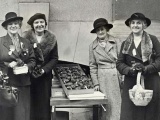
New Zealand's first poppy day

1922 New Zealand's first poppy day

A total of 245,059 small poppies and 15,157 larger versions were sold, earning £13,166. Of that amount, £3,695 was sent to help war-ravaged areas of northern France; the remainder went to assist unemployed returned soldiers and their families.

The idea of selling artificial poppies to raise funds for veterans' organisations was first conceived by a French woman, Madame E. Guerin. Her idea was to have widows and orphans manufacture artificial poppies in the devastated areas of northern France that could be sold for the benefit of veterans as well as destitute children.

Colonel Alfred S. Moffatt took the idea to the New Zealand Returned Soldiers' Association in September 1921. An order for some 350,000 small and 16,000 large silk poppies was duly placed with Madame Guerin’s French Children's League.

Unlike other countries, the NZRSA did not hold its inaugural Poppy Appeal in association with Armistice Day (11 November). As the shipment arrived in New Zealand too late for Poppy Day to be properly promoted prior to Armistice Day, the NZRSA decided to postpone it until the day before Anzac Day, 1922.

The NZRSA declared the first Poppy Day a 'brilliant success'. The annual Poppy Day Appeal has become its primary means of raising funds for the welfare of returned service personnel and their dependants.