Skip to main content
Search form
Search
TODAY IN HISTORY
See more
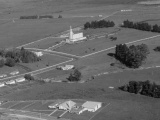
1958, Mormon temple opens in Hamilton
Apr
20
Topics
Events
People
Places
Home
Events
26 May
26 May
1879
Parihaka ploughing campaign begins
Under the leadership of Te Whiti-o-Rongomai and Tohu Kākahi, Parihaka Māori began a ploughing campaign in protest against European settlement on land confiscated from Māori.
Read more...
1926
Anna Pavlova dances in New Zealand for the first time
The world’s best-known ballerina performed her famed ‘Dying Swan’ and ‘Fairy Doll’ to a full house in His Majesty’s Theatre, Auckland.
Read more...
This Week in History
15 April
1868
First Māori MPs elected to Parliament
16 April
1892
NZ Rugby Football Union founded
17 April
1820
General Gates
sent to Sydney under guard
18 April
1840
Samuel Revans prints first newspaper
19 April
1884
First royal honour for New Zealand woman
20 April
1958
Mormon temple opens in Hamilton
21 April
1971
Court Theatre stages first play