What happened that day?

Kiwi of the Week

  • freyberg.biog.jpg

    Bernard Freyberg

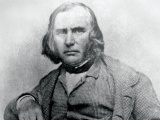
    A First World War hero and commander of the 2nd New Zealand Expeditionary Force, Bernard Freyberg was British-born but New Zealand-raised. He proved to be a charismatic and popular military leader who would later serve a term as Governor-General

This WeeK's Quiz

Today in History

previous4 Junenext

rss feed
Rail tragedy at Hyde

1943 Rail tragedy at Hyde

At 1.45 p.m. on 4 June 1943 the Cromwell-Dunedin express, travelling at speed, was derailed while rounding a curve near Hyde in Central Otago. Twenty-one passengers were killed and 47 injured in what was at the time New Zealand's worst-ever rail accident. The driver was later found guilty of manslaughter.

The train was carrying 113 passengers, many of them bound for the Winter Show in Dunedin or races at Wingatui (it was King's Birthday weekend). When locomotive Ab 782 left the rails, all seven carriages followed, several of them being smashed to pieces. It took an hour and a half for help to arrive at the scene, and rescue work continued through the night.

The board of inquiry into the accident found that the locomotive had entered the curve at excessive speed, travelling at perhaps 70 miles (112 kilometres) per hour, more than twice the speed limit for that section of track. The engine driver, whom the inquiry found guilty of 'serious dereliction of duty', was subsequently tried for manslaughter in the Dunedin Supreme Court. He was convicted and sentenced to three years' reformative detention. 

The Hyde derailment remains the second-worst rail disaster in New Zealand's history, surpassed only by the Tangiwai tragedy of Christmas Eve 1953, in which 151 lives were lost.