What happened that day?

Kiwi of the Week

  • wiremu-te-rangitake-biography.jpg

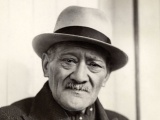
    Wiremu Kingi Te Rangitake

    Te Ati Awa leader Wiremu Kingi Te Rangitake's refusal to give up his land at Waitara led to the outbreak of the Taranaki War. In later life joined the pacifist community at Parihaka

This WeeK's Quiz

Today in History

previous11 Januarynext

rss feed
Ruapekapeka pa occupied by British forces

1846 Ruapekapeka pa occupied by British forces

The skirmish at Ruapekapeka (the 'bats' nest’), was the last encounter of the Northern War. This pa was the work of the Nga Puhi chief Kawiti. Debate raged as to whether the pa was simply abandoned by its defenders or captured by the British.

The Northern War had erupted in March 1845 following Hone Heke's repeated attacks on the symbol of British authority, the flagstaff on Maiki Hill above Kororareka. Ruapekapeka gave Governor George Grey the chance to establish his authority in the wake of the perceived failure of his predecessor, Robert FitzRoy, to bring Heke and Kawiti into line.

Grey assembled a considerable force for the assault. As well as 1300 British troops and navy personnel, he had 400 kupapa Maori (Nga Puhi rivals of Heke's, led by Tamati Waka Nene). The British spent three weeks hauling 30 tons of artillery, men and supplies over almost 30 km of rugged country. When the full force assembled before Ruapekapeka in early January 1846, Kawiti and Heke's men were outnumbered four to one.

A full-scale bombardment began on 10 January 1846. Steady and accurate firing created three small breaches in the palisade. Colonel Despard favoured attacking before Kawiti's men could escape but was talked out of this by kupapa Maori and Grey.

The next day it was discovered that the pa was essentially empty with only Kawiti and around a dozen warriors left inside. They fired one volley and fled the pa. The British forces followed but were met by fire from Maori hidden in bush outside the pa. The defenders may have made a tactical withdrawal in a bid to lure the British into an ambush. Fighting intensified when Kawiti's men appeared to make a move to regain the pa, but it fizzled out when the British refused to be lured into the bush.

Despard and Grey, with the pa in their possession, proclaimed a ‘brilliant success’. The Colonel wrote that Ruapekapeka had been ‘carried by assault’ and a full-scale attempt to regain the pa had been repulsed.

Another interpretation of events was that the pa was abandoned because it had served its purpose. Unable to sustain the effort against a full-time, professional British army, Maori had to fight in a way that was designed to delay and frustrate their enemy. Having forced the British into such an effort to assault the pa, its abandonment denied the attackers the clear-cut victory they sought. Kawiti and his men might also have taken what they saw as their best chance to escape.

Following the encounter Heke, Kawiti and Waka Nene met at Kawakawa and agreed on a peace settlement. Grey had little choice but to agree to this and pardoned the ‘rebels’ involved.

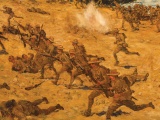
Image: Ruapekapeka pa