
What happened that day?

Kiwi of the Week

  • riwha-titokowaru-biography.jpg

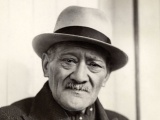
    Riwha Titokowaru

    Nga Ruahine prophet, military leader, master tactician, peacemaker and Parihaka supporter, Titokowaru was one of New Zealand's most important nineteenth-century figures.

This WeeK's Quiz

Today in History

previous17 Octobernext

rss feed
Chief Justice declares Treaty 'worthless' and a 'simple nullity'

1877 Chief Justice declares Treaty 'worthless' and a 'simple nullity'

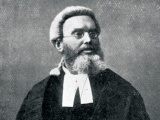
Sir James Prendergast's statements, made when delivering a reserved judgment in the case of Wi Parata v. The Bishop of Wellington, would influence government decision-making on Treaty of Waitangi issues for decades.

Born in London in 1826, Prendergast came to New Zealand in 1862 and quickly became a prominent figure in colonial politics and law. He was a Member of the Legislative Council (1865-67) and became Attorney-General in Edward Stafford's Cabinet in late 1865. When the Attorney-General's Act 1866 changed the position into a non-political one, Prendergast was forced – much to his regret – to give up his Legislative Council seat. He remained Attorney-General (outside Parliament) until 1875, when he became Chief Justice of the Supreme Court. He would hold the latter post until 1899.

In the 1877 Wi Parata case, which involved Maori land at Porirua, Prendergast ruled that the courts lacked the ability to consider claims based on aboriginal or native title. He described the Treaty of Waitangi as 'worthless' because it was signed 'between a civilised nation and a group of savages'. This extreme view held that the Treaty had no judicial or constitutional status because Maori were not a nation capable of signing a treaty. Since the Treaty had not been incorporated into domestic law, it was a 'simple nullity'. The Privy Council overturned many of Prendergast's conclusions by the beginning of the 20th century.

Read more about James Prendergast here.

Image: James Prendergast (DNZB