
What happened that day?

Kiwi of the Week

  • riwha-titokowaru-biography.jpg

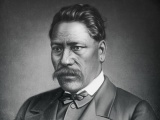
    Riwha Titokowaru

    Nga Ruahine prophet, military leader, master tactician, peacemaker and Parihaka supporter, Titokowaru was one of New Zealand's most important nineteenth-century figures.

This WeeK's Quiz

Today in History

previous22 Decembernext

rss feed
Future PM Fraser charged with sedition

1916 Future PM Fraser charged with sedition

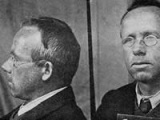
Peter Fraser's trial in the Wellington Magistrates' Court was the sequel to a speech he had given attacking the government's military conscription policy. A number of other union leaders were charged with the same crime. Fraser was convicted and served 12 months in gaol.

Enlistment had slowed after the initial rush to volunteer when the First World War broke out. The government responded with the Military Service Act, which became law on 1 August 1916. This introduced conscription, initially for Pakeha men only. Limited allowance was made for people who objected – only members of religious bodies that had, before the outbreak of war, declared military service 'contrary to divine revelation' could be exempted from service. Many of those involved in the socialist and labour movements in New Zealand objected to fighting an 'imperialist war' and argued that 'New Zealand workers had no quarrel with German workers'. The New Zealand Labour Party (founded in 1916) insisted that conscription should not be introduced unless it was accompanied by the conscription of wealth.

On 4 December 1916, two weeks after the first conscription ballot had taken place, the government issued new regulations to control dissent which contained a very broad definition of sedition. Fraser was arrested on 20 December and charged with having 'published seditious words' when speaking at a meeting on the 10th. These words were said to have been 'likely to incite disaffection against the Government of New Zealand and to interfere with the recruiting of His Majesty's forces.' He appeared before magistrate W.G. Riddell on 22 December. P.J. O'Regan, appearing for Fraser, stormed from the court when his request for bail was declined.  Now defending himself, Fraser argued that calling for the repeal of the law, rather than for disobedience or resistance to it, was perfectly legal. Riddell disagreed and sentenced the future Prime Minister to 12 months' imprisonment. Other Labour Party members were also punished for their opposition to the war and the Military Service Act. Bob Semple (described by the Solicitor-General as 'one of the most dangerous and mischievous men in New Zealand'), Tim Armstrong, Jim O'Brien and Paddy Webb – all future Labour Cabinet ministers also went to prison for expressing opposition to the war or to conscription.

Somewhat ironically, in 1940, Peter Fraser was Prime Minister when conscription was reintroduced to maintain New Zealand's effort in the Second World War. The man photographed selecting the first marble in the first ballot (held in September) was Bob Semple. In the war against Nazism, earlier objections to the principle of conscription would be set aside.

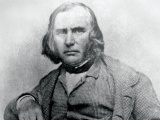
Image: Peter Fraser