
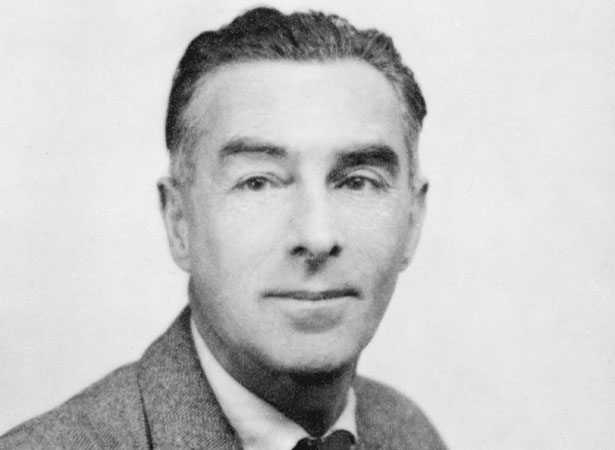
The victim of the shooting, poet Walter D’Arcy Cresswell, alleged that Mayor Charles Mackay had made homosexual advances towards him in the mayoral office and panicked when faced with the prospect of public exposure. The incident ended Mackay’s 11-year career as mayor of Whanganui. D’Arcy Cresswell was only slightly injured.
D’Arcy Cresswell, later known to be homosexual himself, may not have been an entirely innocent party. There were unsubstantiated rumours that he had tried to blackmail the mayor into resigning.
Mackay was sentenced to 15 years’ hard labour for attempted murder. His wife divorced him, the street named after him had its name changed, his portrait was taken from the council chambers and destroyed, and he was not mentioned in local histories for 50 years.
Released from prison in 1926, Mackay travelled to England. In 1928 he moved to Berlin and worked as a reporter and English language teacher. He was accidently shot and killed by a police officer while covering May Day riots in 1929.
Read more on NZHistory
Setting the scene – Homosexual law reform1920 - key events – The 1920sNew Zealand crime timeline – Crime timelineHomosexual law reform in New Zealand – Homosexual law reform
External links
How to cite this page
'Whanganui mayor shoots poet', URL: https://nzhistory.govt.nz/wanganui-mayor-charles-mackay-shoots-poet-darcy-cresswell, (Ministry for Culture and Heritage), updated 15-May-2020


