
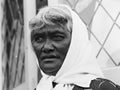
Māori had mixed views about the First World War. Some supported the war effort and rushed to join up. Others opposed the war as they did not want to fight for the British Crown, which was seen to have done much harm to Māori communities in the 19th century. The varied reactions reflected iwi experiences of British actions in the previous century.
While more than 2000 Māori would served in the Maori Contingent and Pioneer Battalion (later the Maori (Pioneer) Battalion), others opposed the war effort. The application of conscription to Māori in 1917 brought the issue to a head. Those iwi who had land confiscated as a punishment for having been deemed to be in rebellion against the British Crown in the 1860s mounted a campaign of resistance. Leaders such as Te Puea Hērangi gave important support to these men, some of whom were imprisoned for refusing to serve.


