
Many Māori supported New Zealand's involvement in the South African War and some were willing to enlist. Although Māori were officially excluded from service in South Africa, a number of men got around this prohibition.
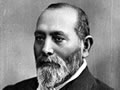
New Zealand Premier Richard Seddon initially proposed to the Colonial Office that at least 100 Māori soldiers should be included in the First Contingent. The Māori Member of Parliament Wiremu Pere volunteered to lead a separate 500-strong Māori contingent.
Seddon’s proposal and offers made by Māori leaders were declined by the British government, which believed that ‘native’ troops should not be deployed in a ‘white man’s war’. This view was widely held. On 27 December 1900 the editor of the Evening Post wrote: ‘If the white races of the world are to employ yellow and black troops in their wars with one another, the end of European civilisation would be within measurable distance.’
First Contingent haka
Despite the official prohibition on Māori service, Māori culture still found its way onto the battlefield. Walter Callaway, a part-Māori soldier of the First Contingent, composed a haka which became the official war cry of the New Zealand contingents:
Kia kaha nu Tereni
Wha whai maea mo to Kuini to Kianga
Ake Ake Ake
Be strong New Zealand
Fight bravely for your Queen, for your country
Ever! Ever! Ever!
Seddon continued to push for Māori participation, claiming in March 1900 that Māori chiefs had men ready who were ‘as good as any Boers who ever pulled a trigger’. Seddon also reminded the Colonial Office that under the terms of the Treaty of Waitangi, Māori were equal citizens of New Zealand and therefore had the right to participate in the war.
Joseph Chamberlain, the British Colonial Secretary, seems to have had reservations about applying the ban on ‘natives’ to Māori. He claimed he would have been glad if Māori had served, writing: ‘I am really sorry not to give these Maoris a chance. If they had sent them without asking and mixed them up with others no one would have known the difference.’
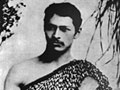
Although permission to form a Māori contingent was never received, the New Zealand authorities sometimes turned a blind eye to individual Māori who tried to enlist under English names. Most of those who succeeded were ‘half-castes,’ as those of mixed race were then generally known. Many were well-educated and fluent in spoken and written English.
Since they were not officially allowed to serve in the war, many Māori expressed their support through fundraising. In keeping with the ‘khaki corps’ formed by society ladies, the Ngāpuhi women in Whangārei formed their own group of volunteers. Dressed in mock khaki uniforms, they not only involved themselves in fundraising but also cared for ailing members of the community.
Not all Māori were supportive of the war. The governor, Lord Ranfurly, suggested that some Māori in Hokianga had pro-Boer sympathies which he attributed to the influence of Dutch and German priests in the area rather than disloyalty to the British Empire.


