
The news from Wairau shocked settlers throughout the colony. The killing of men who had surrendered was viewed as cold-blooded murder. Many feared that these events signalled the beginning of a widespread Māori insurrection.
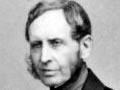
Dealing with the fallout from this incident was one of the first tasks facing the new governor, Robert FitzRoy, when he arrived in the colony in December 1843. FitzRoy resisted calls to bring to justice those responsible. The official view was that Ngāti Toa had been provoked by the reckless actions of the New Zealand Company in continuing the survey despite a lack of evidence that the Nelson settlers had any legitimate claims to land beyond Tasman Bay.
This response was approved by the Colonial Office, which was unwilling to incur the expense of military action against Ngāti Toa. The New Zealand Company and its settlers could barely conceal their anger. The government’s inaction seemed to confirm their long-held view that it gave more weight to the needs of Māori than to those of Europeans.
FitzRoy upset the New Zealand Company again when he issued Crown grants for land in Wellington and Nelson. Not only did these fall far short of the company’s demands, they required the payment of more money to Māori. In fact, FitzRoy’s actions were far-sighted. Secure titles, albeit to less land, benefited the company settlers. And war would probably have resulted had he attempted to force the issue with Ngāti Toa – worsening the plight of families already struggling to establish themselves in a new land. But angry company officials called for FitzRoy’s replacement, and Nelson settlers burnt him in effigy when news of his recall to Britain was received in late 1845.
The sequels to Wairau were further fighting in Hutt Valley and Porirua in 1846, and in Whanganui in 1847. In each case the causes – and the participants – were largely those involved in 1843.
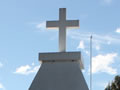
A memorial to the Europeans killed was unveiled in 1869 in Tuamarina Cemetery, where it still stands on a spur above the stream that was for many years known as 'Massacre Hill'. The memorial was erected at the initiative of Edward Jerningham Wakefield, Arthur Wakefield’s nephew.


