What happened that day?

Kiwi of the Week

  • wiremu-te-rangitake-biography.jpg

    Wiremu Kingi Te Rangitake

    Te Ati Awa leader Wiremu Kingi Te Rangitake's refusal to give up his land at Waitara led to the outbreak of the Taranaki War. In later life joined the pacifist community at Parihaka

This WeeK's Quiz

Today in History

previous26 Januarynext

rss feed
Floods devastate Southland

1984 Floods devastate Southland

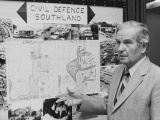
A record one-day total of 84.8 millimetres of rain caused extensive surface flooding in the streets of Invercargill, Riverton, Otautau, Tuatapere and Bluff. A state of emergency was declared in the early hours of 27 January. Matters were made worse in Invercargill where a high tide prevented flood water from draining into the estuary. Invercargill airport had 3 metres of water in the terminal.

Around 1200 homes were left uninhabitable and more than 4000 people had to be evacuated. More than 5000 tonnes of ruined personal possessions were discarded and hundreds of flooded cars were abandoned. No human lives were lost, but livestock losses were heavy – more than 12,000 sheep, 330 pigs, 100 cattle and 75 deer were drowned. The total bill for the damage caused by this severe weather system was $55 million.

Image: reporting the disaster (Te Ara

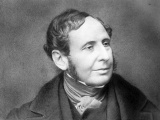
Governor FitzRoy arrives to investigate Wairau incident

1844 Governor FitzRoy arrives to investigate Wairau incident

Despite demands for revenge after the deaths of 22 settlers in the incident at Wairau in June 1843, FitzRoy decided that the Maori had been provoked by the unreasonable actions of the Europeans.

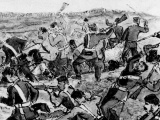
Sometimes known as the ‘Wairau Affray’ or ‘Wairau Massacre’, this was the first serious clash of arms between Maori and the British settlers after the signing of the Treaty of Waitangi. Four Maori and 22 Europeans were killed.

New Zealand Company settlers and Ngati Toa clashed over the ownership of land in the Wairau Valley. Ngati Toa disputed the purchase and obstructed the Company’s surveying of the land, which led to the destruction of some Company property. Ngati Toa chief Te Rauparaha insisted that the matter be dealt with by William Spain, who had been appointed to head an investigation into all land purchases prior to British annexation. The Company settlers disagreed and believed that Te Rauparaha and his nephew Te Rangihaeata should be brought to justice.

An armed party of Europeans set out from Nelson to arrest Te Rauparaha. Fighting broke out and a number were killed on both sides, including Te Rongo, the wife of Te Rangihaeata. The surviving Europeans were surrounded and forced to surrender. Te Rauparaha may have been inclined to spare their lives had it not been for Te Rongo’s death. Instead, he accepted his nephew's demand for utu and the surviving European prisoners were killed. Te Rangihaeata killed most of them with his own mere.

The incident heightened fears among settlers of an armed Maori insurrection. When the new Governor, Robert FitzRoy, arrived six months later the settler community demanded action against Ngati Toa. Lacking in the resources necessary to fight a war, even if he had been so inclined, FitzRoy earned the wrath of settlers with his decision that Maori had been provoked by the unreasonable actions of the Europeans.