
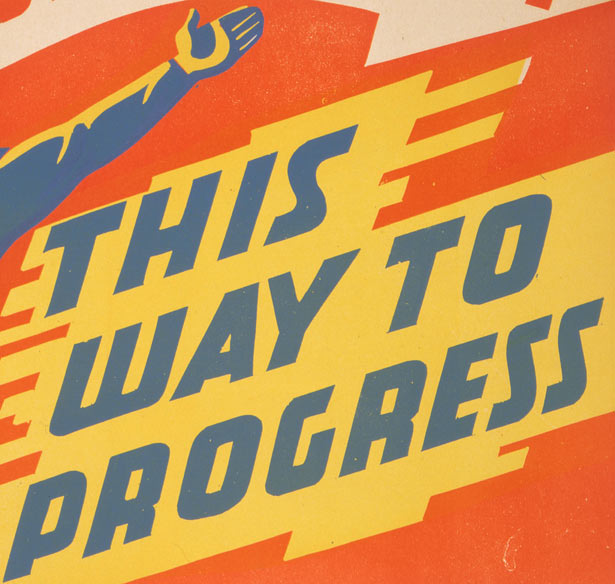
The Cold War (1945–1991) was a prolonged rivalry between capitalist Western democracies, led by the United States, and communist countries, notably the Soviet Union and China. It lasted from the end of the Second World War until the collapse of the Soviet Union in 1991.
Tension between the two sides fluctuated during this period but did not escalate into direct military action. The conflict was instead waged largely through intelligence gathering, strategic planning, and diplomatic manoeuvring. The United States and the Soviet Union also backed opposing sides in regional wars in Africa, Central America and East Asia.
New Zealand was aligned with the Western powers during the Cold War, and made military contributions in East Asia from the 1950s to the early 1970s. New Zealand’s anti-nuclear stance led to the severing of overt military ties with the United States in 1985.


