
What happened that day?

Kiwi of the Week

  • wiremu-te-rangitake-biography.jpg

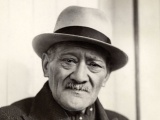
    Wiremu Kingi Te Rangitake

    Te Ati Awa leader Wiremu Kingi Te Rangitake's refusal to give up his land at Waitara led to the outbreak of the Taranaki War. In later life joined the pacifist community at Parihaka

This WeeK's Quiz

Today in History

previous29 Marchnext

rss feed
Nazi sabotage hoax

1942 Nazi sabotage hoax

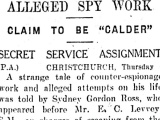
In 1939 career criminal Sydney Ross was sentenced to three years nine months at Waikeria prison, near Te Awamutu, on charges of breaking, entering and theft. There he met Charles Remmers, a man with a long list of convictions for offences including false pretences and forgery. Remmers was released in 1941.

Ross was released on 28 March 1942. The following day he met the minister of national service, Robert Semple, in Wellington. Ross claimed that he had been approached by a German agent to join a sabotage cell and that Nazi agents had landed by submarine and were living at Ngongotaha, Rotorua. Ross was taken to see Prime Minister Peter Fraser, who referred the matter to Major Kenneth Folkes, a British intelligence officer brought to New Zealand to set up the Security Intelligence Bureau. Folkes decided to use Ross to catch the enemy agents.

According to Ross, the plot included not only the destruction of key sites but the kidnapping or assassination of Fraser, Semple and other members of Cabinet. He claimed that the director of the enemy cell was a man at Ngongotaha named Remmers and produced a list of ‘conspirators’. While Ross was put up in Rotorua’s Grand Hotel, Folkes approached the government and chiefs of staff demanding troops and wide powers of arrest to detain suspected saboteurs.

Fraser now asked the police to investigate. They found that the ‘Nazi headquarters’ in Ngongotaha was occupied by an elderly Native Department clerk, a dry-cleaner and three hospital nurses. Ross tried to lie his way out of trouble but his story was quickly revealed as a crude hoax.

In February 1943 the embarrassed Security Intelligence Bureau was taken over by the commissioner of police, and Folkes returned to Britain. Neither Ross nor Remmers was charged with any offences, although in August that year Ross was convicted of assuming a name, receiving stolen property and false pretences. Released in January 1946, he died of tuberculosis seven months later.