
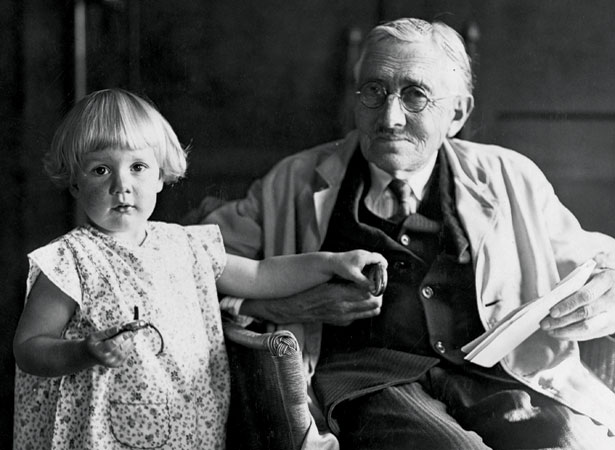
Dr Frederic Truby King helped form the Society for the Promotion of the Health of Women and Children at a meeting in Dunedin Town Hall.
The society, soon known as the Plunket Society after Lady Victoria Plunket, the wife of the governor and an ardent supporter, spread rapidly. Later that year, Plunket opened the first Karitane Home for Babies in Dunedin. A further six Karitane Hospitals were established to supplement home and clinic visits. These operated both as training bases for nurses and as care units for babies.
By 1909 there were Plunket Society branches in all four main centres. Sixty more branches opened following a lecture tour by King in 1912.
Mothers were educated in ‘domestic hygiene’ and ‘mothercraft’ practices based on King’s ideology of regular feeding, sleeping and bowel habits. The Plunket philosophy became parenting lore in New Zealand, and it was credited with giving this country the lowest infant mortality rate in the world within three decades.
In 1938, King was New Zealand’s first private citizen to be honoured with a state funeral.
Read more on NZHistory
Truby KingCrèches and early childcare – Crèches and early childcare
External links
How to cite this page
'Plunket Society formed', URL: https://nzhistory.govt.nz/foundation-of-the-plunket-society, (Ministry for Culture and Heritage), updated 17-Jul-2023


Community contributions