What happened that day?

This WeeK's Quiz

Kiwi of the Week

  • whina-cooper-biog.jpg

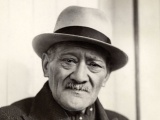
    Dame Whina Cooper

    Te Rarawa leader and woman of mana, Dame Whina Cooper spent her whole life fighting for Maori land rights. As an 80-year old she led 5,000 Maori land protest marchers as they walked from Te Hapua (in the far north) to Parliament, arriving on 13 October 1975.

Today in History

previous15 Maynext

rss feed
Wanganui mayor shoots poet

1920 Wanganui mayor shoots poet

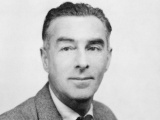
The victim of the shooting, poet and returned soldier Walter D'Arcy Cresswell (pictured), alleged that Mayor Charles Mackay had made homosexual overtures to him. The incident, which occurred in the mayor’s office, brought Mackay’s 11-year career as mayor of Wanganui to a shocking end. Cresswell was only slightly injured.

Cresswell claimed that Mackay (who’d previously sought treatment for his homosexuality) had made sexual advances, then panicked when faced with the prospect of public exposure. But Cresswell, later known to be a homosexual himself, may not have been an entirely innocent party. Following the shooting, there was widespread speculation that he had been enlisted by others to blackmail the mayor into resigning. This has never been proven.

Mackay was convicted of attempted murder and sentenced to 15 years' hard labour. While in prison he was declared bankrupt. Mackay’s wife divorced him and resumed her maiden name, which was also taken by their daughters. Wanganui's Mackay Street was re-named Jellicoe Street and his name was removed from the foundation stone of the city's Sarjeant Gallery. Mackay’s portrait was taken from the council chambers and destroyed, and he was not mentioned in local histories for another 50 years.

Released from prison in 1926, Mackay travelled to England. After a failed business venture it is thought that he worked as a journalist. In 1928 he moved to Berlin and worked as a reporter and English language teacher. The following year he was covering the May Day riots for a British newspaper when he was shot and killed by a German police officer, who mistook him for a communist. Representatives from the British Embassy and German Foreign Office attended his funeral.

In 1985 Mackay’s name was reinstated to the inscription on the Sarjeant Gallery’s foundation stone.

Image: D'Arcy Cresswell (DNZB