
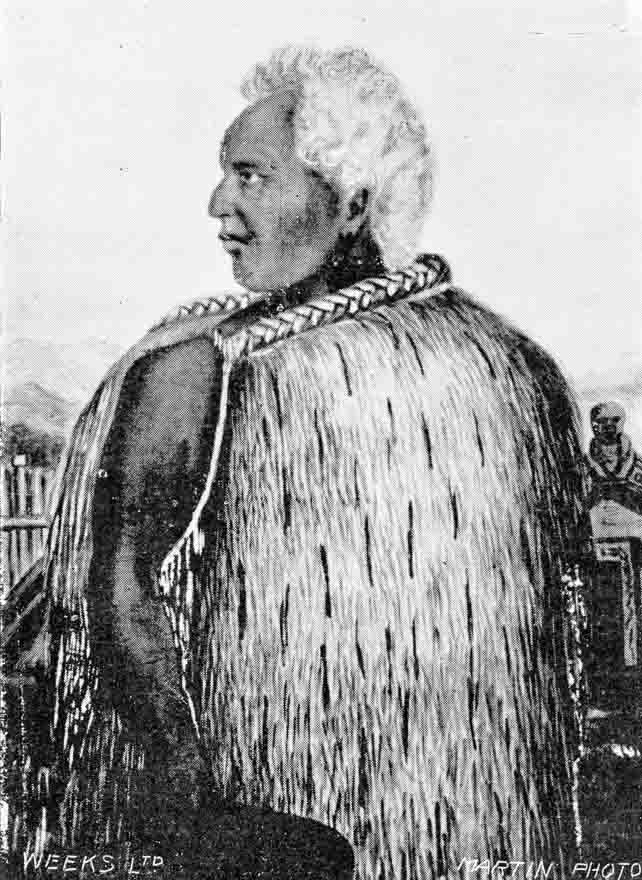
In 1840, when William Hobson arrived in New Zealand, Kawiti vigorously resisted the imposition of British rule. He did not agree to the Treaty on 6 February, when others signed at Waitangi. He eventually signed, reluctantly, at a special meeting with Hobson in May 1840. His became the top Māori signature on the Waitangi Treaty sheet.
Te Ruki Kawiti, probably born in the 1770s in northern New Zealand, was a notable Ngāpuhi chief and warrior and a skilled military tactician. He earned his mana during the Musket Wars. He learnt the power of the musket and the complete inadequacy of traditional pā in the face of a musket-armed enemy. Kawiti turned his attention to the design, fortification and defence of what became known as modern pā. Such were Kawiti’s engineering talents that the British assumed Englishmen had designed his pā.
While Ōhaeawai was Kawiti’s greatest victory, his most formidable pā was Ruapekapeka.


Community contributions