
Explosion at Strongman coal mine
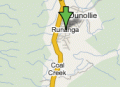
Nineteen men were killed when an explosion ripped through the Strongman Mine at Rūnanga, near Greymouth, on the morning of 19 January. An investigation later found that safety regulations had not been followed and that a shot intended to dislodge coal had been incorrectly fired. More men would have died had the fireball sparked by the explosion not hit a wet patch which extinguished it.
New Zealand adopts decimal currency
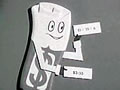
After a drawn-out and sometimes bitter competition, James Berry’s designs for decimal coins won overwhelming support in a nationwide newspaper poll in 1966. They were subsequently approved by the Royal Mint and issued in 1967.
The introduction of decimal currency on 10 July saw New Zealanders dispense with pounds, shillings and pence in favour of dollars and cents. The names 'kiwi' and 'zeal' were among those considered for the new currency, but in the end ‘dollar’ was selected.
The end of the 'six o'clock swill'
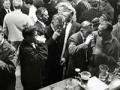
Six p.m. closing for pubs had been introduced as a wartime measure in 1917 and made permanent the following year. The term 'six o'clock swill' referred to the practice of drinking as much beer as possible before closing time. Several generations of Kiwi men grew up in a binge-drinking culture.
Kiwi wins Formula One championship
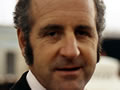
A third-place finish at the Mexico Grand Prix on 22 October was enough for Te Puke’s Denny Hulme to claim the F1 championship for the Brabham team. Victories at Monte Carlo and in Germany, backed up by another six top-three placings, gave Hulme the title over his team boss Jack Brabham and Briton Jim Clark. Fellow Kiwi Chris Amon finished fifth in the championship.
In 1968 Hulme moved to the McLaren team, which was owned by fellow Kiwi Bruce McLaren. He won in Italy and Canada but had to retire from four races and finished third in the overall standings. Hulme remains New Zealand’s only Formula One world champion.
Other events of 1967
- In February the school milk scheme came to an end after 30 years. The first Labour government had introduced free milk in primary schools as part of its plans to improve the health of New Zealand children.
- Arthur Porritt became the first New Zealand-born governor-general. He had represented New Zealand at the 1924 Summer Olympics in Paris, winning bronze in the 100m, a race immortalised in the 1981 movie Chariots of fire.
- Mr Lee Grant won the Loxene Golden Disc Award for ‘Thanks to you’. These awards were the forerunner of today’s Tui and New Zealand Music Awards.
- The issue of sporting ties with South Africa reared its head once again when the New Zealand Rugby Football Union canceled its scheduled 1967 tour to the republic under pressure from the National government.
- In a case that attracted worldwide attention, Lloyd Geering, Professor of Old Testament Studies and Principal of Knox [Theological] College, Dunedin, was acquitted on charges of ‘doctrinal error and disturbing the peace and unity of the (Presbyterian) church’.
- Following a slump in the export price for wool, the number of registered unemployed jumped from just over 200 to nearly 4500.
Can you remember 1967? Add your memories and comments in the form below.


Community contributions