What happened that day?

Kiwi of the Week

  • freyberg.biog.jpg

    Bernard Freyberg

    A First World War hero and commander of the 2nd New Zealand Expeditionary Force, Bernard Freyberg was British-born but New Zealand-raised. He proved to be a charismatic and popular military leader who would later serve a term as Governor-General

This WeeK's Quiz

Today in History

previous1 Novembernext

rss feed
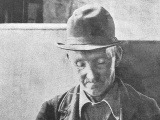
Old-Age Pensions Act passes into law

1898 Old-Age Pensions Act passes into law

A world first, the act gave a small means-tested pension to destitute older people 'deemed to be of good character'; Chinese were specifically excluded. It is considered one of the major achievements of Richard Seddon's Liberal government.

The Liberal reforms of the 1890s attracted international interest and seemed to symbolise New Zealand's egalitarian ethos. The groundbreaking legislation of 1898 was based on the principle that the state had some responsibility for those citizens whose own efforts were not enough to keep them from poverty in their old age. The Old-Age Pensions Act was the first of its kind in the British Empire. It is regarded as the birth of social security in this country. 

Funded from general taxation, the amount on offer was small. Applicants had to meet certain criteria to qualify for the £18 per year pension. Proof was required that the applicant was aged at least 65 and that their annual income was less than £34. They could not own property worth more than £50, and had to have lived in New Zealand for the previous 25 years.

The reform became closely identified with Liberal Premier Richard Seddon, who, despite facing strenuous opposition, had actively promoted the idea for several years. Seddon's time living and working on the West Coast led to his longstanding concern for the welfare of ex-miners.

A more sinister aspect of the legislation was the exclusion of ‘Chinese or other Asiatics'. For most of his political career Seddon viewed the Chinese with considerable dislike, as did many in New Zealand's mining communities.

The initial impact of the legislation was limited. In 1901, three years after the law was passed, only 37.5% of eligible New Zealanders were collecting the old age pension.

Image: Old age pensions cartoon (Te Ara